
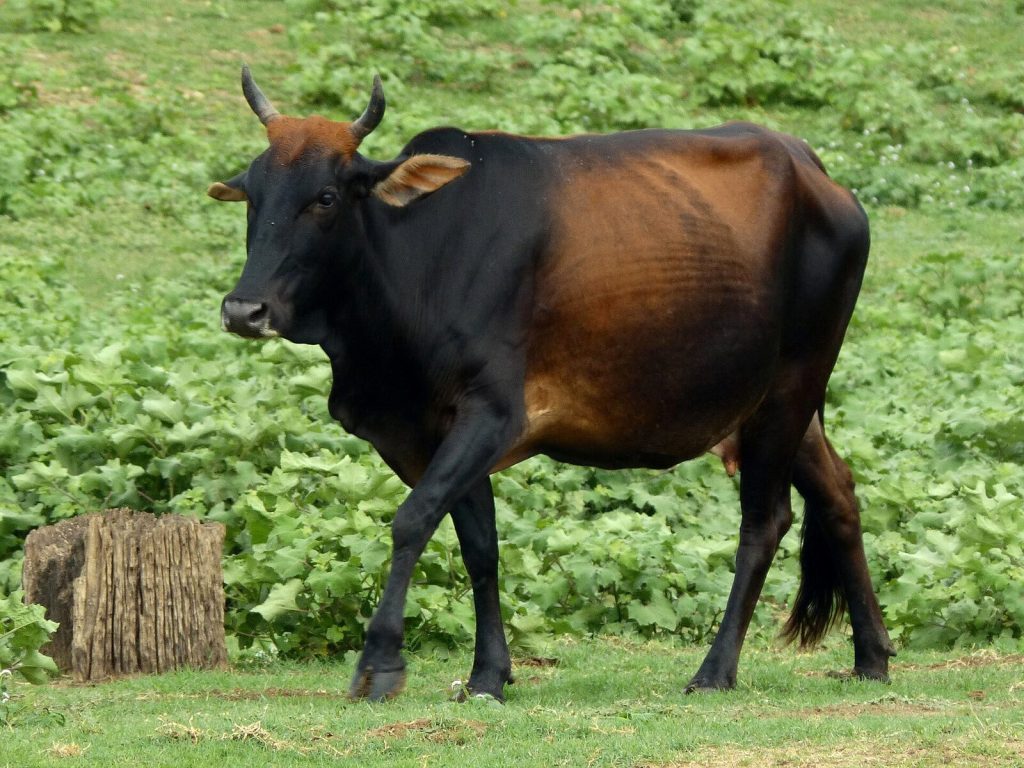
The common cattle diseases in Uganda sort by region rather than by textbook order. In the pastoral north, farmers and animal health workers put tick borne diseases first, then nagana and contagious bovine pleuropneumonia. In the central dairy belt the recorded picture is East Coast fever, worms and mastitis. One figure frames the whole subject: East Coast fever kills around nine in ten of the exotic cattle it infects.
Which Cattle Diseases Ugandan Farmers and Vets Rank First
Rather than list every condition a cow can get, start with what people who deal with Ugandan cattle every day actually name. A study in Karamoja interviewed 21 key informants, mostly district veterinary officers and community based animal health workers, and ran 20 focus group discussions with kraal leaders.
Among the animal health workers, 75 percent, or 14 of 21, named the tick borne group first: East Coast fever, anaplasmosis, heartwater and babesiosis. A quarter, 5 of 21, put nagana second. After those, in descending order, came foot and mouth disease, contagious bovine pleuropneumonia, helminthiasis, lumpy skin disease, foot rot and brucellosis, alongside two small ruminant diseases that do not affect cattle.
The farmers largely agreed and split more evenly at the top. Eight of the 20 groups said tick borne diseases caused them the largest losses. The remaining twelve divided into two equal halves, six naming nagana and six naming contagious bovine pleuropneumonia. They then listed lumpy skin disease, foot and mouth disease, worms, foot rot, black quarter and brucellosis.
That is one region, and it is a pastoral one, so the ranking should not be carried into the dairy districts unedited. The central dairy picture comes from a different kind of record: a genomic study of crossbred cattle in Kampala, Mukono and Wakiso that had lifetime disease records for 144 animals.
| Condition recorded | Animals affected of 144 |
|---|---|
| East Coast fever | 63 |
| Common worms | 29 |
| Lumpy skin disease | 15 |
| Anaplasmosis | 8 |
| Foot and mouth disease | 5 |
Mastitis is missing from that list because the platform those records came from did not carry it, not because it is rare. On Ugandan measurement it is the most widespread condition in the dairy herd by a wide margin, and it has its own section below.
East Coast Fever: The Disease That Decides Whether an Upgraded Herd Survives
East Coast fever is caused by Theileria parva, a protozoan parasite carried by the brown ear tick Rhipicephalus appendiculatus. The parasite infects and transforms the animal's lymphocytes. What follows is fever, loss of appetite, swollen lymph nodes and a suppressed immune system, which opens the door to secondary bacterial infection in the upper airway. Untreated, it is often fatal, and the window before that is short.
The breed difference is the single most consequential fact in Ugandan cattle health. Across several studies, mortality in exotic cattle is reported at around 90 percent, with death usually inside a week of the onset of signs. Indigenous cattle get infected at similar rates and mostly survive; morbidity is high and mortality is much lower. A genetic variant carried in indicine cattle has been linked to that tolerance.
So the disease is a filter on the upgrade decision rather than a footnote to it. The Ugandan genomic study found what looked like a puzzle in its own data, that crossbred animals with less exotic ancestry had more recorded East Coast fever. The authors explain it as survivor bias: the heavily exotic animals that caught it had already died and could not be sampled. Read that carefully, because it is the shape of every disease record kept on live animals.
Prevalence itself varies enormously by district and system. In a crop and livestock system in Tororo, 2,658 blood samples across 22 villages gave an overall Theileria parva prevalence of 5.3 percent, with herd level prevalence running from zero to 21 percent. That study found no statistically reliable difference in risk by age, sex or breed, which reads oddly against the mortality gap above until you notice that almost every animal sampled was a Boran crossed with short horn zebu. A study with no exotic animals in it cannot detect an exotic breed effect.
Anaplasmosis, Babesiosis and Heartwater in Ugandan Herds
East Coast fever gets the attention and it travels with company. Anaplasmosis, babesiosis and heartwater are carried by ticks in the same pastures, they are named in the same breath by Ugandan animal health workers, and they present with overlapping signs. Anaplasmosis appeared in 8 of the 144 central region crossbred animals with disease records.
The reason to know they are distinct is that the same visible signs point to different parasites needing different treatment. An anaemic, feverish, off feed cow could have any of them, or nagana, or a mix. That is a diagnostic problem a farmer cannot solve by eye, and it is the main argument for getting a blood smear or a rapid test rather than treating the label on the last bottle that seemed to work. Ugandan work using reverse line blot assays found cattle carrying more than one haemoparasite at once, which is the ordinary state of affairs rather than a curiosity.
Prevention is tick control, and tick control has a problem of its own.
Why Acaricide Failure Has Made Tick Borne Disease Harder to Control
Acaricide failure in Uganda is documented, measured and worse than most farms realise. A study sampled ticks from 54 farms across 17 districts, chosen because they had a history of spraying that stopped working, and tested 31 tick populations against five panels of commercial molecules.
Of the 1,357 ticks identified, Rhipicephalus appendiculatus and Rhipicephalus decoloratus made up 95.6 percent. Resistance to synthetic pyrethroids turned up in 90 percent of the tick populations tested, 27 of 30. Worse, a majority were what the authors call super resistant, showing zero mortality at twice the discriminating dose: 18 of 30 against cypermethrin and 19 of 30 against deltamethrin. Resistance also showed against organophosphate and pyrethroid mixtures in 43.3 percent of populations, against chlorfenvinphos in 13.3 percent and against amitraz in 12.9 percent.
Two farm practices tracked with it. Over two years, 20 of 27 farms had used two or three different molecules, and 15 of 27 rotated them wrongly. Multiple resistance, meaning resistance to at least two molecules, showed in 16 of 29 resistant tick populations and was associated with the second tick species, with having used both pyrethroids and the mixtures in the previous two years, and with one district in particular.
Amitraz came out as the most effective molecule against the pyrethroid and mixture resistant populations, and resistance to amitraz was already appearing in one area of the south west. That is not a recommendation to switch to amitraz, and the authors do not make one: it is a statement that the last reliable option is being spent. Uganda first recorded acaricide resistance in 1970, against an organochlorine, and has had no resistance monitoring system since the early 1990s, so nobody can tell a farmer which molecule works in their parish without testing.
No dilution rate, spray interval or product name appears on this page. Those belong on the label and in the hands of a district veterinary officer who knows the local resistance picture, and the cattle tick control page covers method.
Nagana: Trypanosomiasis in Ugandan Cattle Herds
Nagana, or African animal trypanosomiasis, is caused by trypanosome parasites carried mainly by tsetse flies. It runs chronic rather than acute: condition slides away, anaemia deepens, and an untreated animal eventually dies. A cow losing weight steadily on adequate feed is the classic presentation, and it is often blamed on the feed.
Ugandan prevalence is substantial in the affected belts. In the Tororo crop and livestock system, 15.3 percent of cattle carried trypanosomes, with a 95 percent confidence interval of 12.2 to 19.1 and herd level prevalence spanning zero to 43 percent. In Karamoja, 16.3 percent of cattle were positive, with a confidence interval of 12.4 to 21.1, and 85.7 percent of the cattle herds sampled had at least one infected animal. Donkeys in the same region ran far higher at 32.4 percent, which matters on farms that use them.
Trypanosoma vivax was the most common species in cattle in both studies. One species level percentage in the Tororo paper cannot be right and is not reproduced here: the figure it prints for T. vivax is larger than its own all species total and sits outside its own stated confidence interval, so something has gone wrong in that line. The all species prevalence in the same paper is internally consistent and is what this page uses.
Two practical points. T. vivax can be moved mechanically by other biting flies, so nagana is found outside the mapped tsetse belts and a district being off the tsetse map is not a clearance. And Trypanosoma brucei rhodesiense, found in 0.03 percent of Tororo cattle, is the parasite that causes the acute form of human sleeping sickness, so cattle in those districts are a reservoir for a human disease.
Ugandan practice uses two trypanocide molecules, one curative and one given as a preventive, and Ugandan studies record both being administered by farmers themselves. No dose or interval is printed here. Preventive dosing in particular is where resistance is bred, and it is a veterinary decision.
Foot and Mouth Disease and the Quarantine That Follows It
Foot and mouth disease is the one on this page where the quarantine costs more than the illness. It is highly contagious, it moves by several routes and through several host species, and Uganda's presence of it is what shuts the country out of major livestock export markets.
A study across Nakasongola, Nakaseke, Isingiro and Rakai measured what an outbreak does to the money. Infected cattle showed a 42 percent drop in milk yield over a twelve week period. During quarantine, only 12 percent of the milk that is normally sold got sold. Income at the processing level fell by 23 percent a month. In Isingiro, animals sold in distress went for 83 percent below market value for bulls and 88 percent below for cows.
That last pair of figures is the one to remember, because it explains a behaviour that looks irrational from outside. A farmer under quarantine cannot sell milk and cannot move cattle to a market, so bills get paid by selling an animal at whatever a buyer standing in the district will pay. Small and medium herds carried the higher control costs; large herds lost the most milk.
Vaccination is serotype specific, and Uganda has recorded more than one serotype in circulation, including a SAT 3 detection in an Ankole calf. A vaccine that does not match what is circulating does not protect, which is why the vaccine to use is a decision for the district veterinary office rather than a shelf choice. The cattle vaccination guide covers the schedule side.
Contagious Bovine Pleuropneumonia in Northern Ugandan Herds
Contagious bovine pleuropneumonia is a lung disease caused by Mycoplasma mycoides subspecies mycoides. It kills, it drags down production in the animals it does not kill, and it triggers trade restrictions. Ugandan farmers in Karamoja rank it level with nagana as their second largest disease loss.
The measured burden there is high. Screening of 2,300 cattle found 25.4 percent seropositive, with a 95 percent confidence interval of 23.7 to 27.3. District variation was wide, from 12.3 percent at the low end to 30.7 percent at the high end. The risk factors the study identified all describe the same thing: increasing age, overnight stays in shared kraals, and which herd, village and sub county an animal belonged to. In other words, mixing.
The control recommendation that follows is targeted rather than blanket. Vaccinate the high risk herds along the international borders and the places where cattle from different herds routinely mix, rather than spreading the same effort thinly. For a farm, the actionable version is that a new animal, a shared night kraal and a shared water point are the three exposures, and that is a management decision before it is a veterinary one.
Brucellosis: A Herd Disease That Reaches People Too
Brucellosis in cattle, usually Brucella abortus, causes abortion and infertility, and it passes to people. That second half is why it belongs on a farming page rather than only in a clinic.
In the urban and peri urban dairy area around Kampala, adjusted herd prevalence was 6.5 percent, 11 of 177 herds, with a confidence interval of 3.6 to 10.0, and adjusted individual animal prevalence was 5.0 percent of 423 animals. The number that matters more is what happens inside an infected herd: mean within herd prevalence of 25.9 percent, and in the infected herds it ranged from 9.1 percent up to 50 percent. So the disease is uncommon between herds and heavy inside the ones that have it.
No risk factor showed at the level of the individual animal. Two showed at herd level: large herd size and a history of abortion. Free grazing herds in that study averaged 5.0 milking cows against 1.7 where movement was restricted, and the authors' recommendation was to target vaccination at the larger free grazing commercial farms.
For a farmer the practical reading is simple. A herd with a run of abortions needs testing rather than a guess, replacement animals should be tested before entering, and the milk from any herd of unknown status should be boiled. Handling an aborted foetus or placenta bare handed is how people get it.
Mastitis: The Commonest Disease in the Ugandan Dairy Herd
By prevalence nothing else comes close. Five Ugandan studies pooled together give subclinical mastitis a prevalence of 75.71 percent, the interval spanning 55.10 to 88.78 percent at 95 percent confidence. The individual studies bracket that figure from both sides: 61.3 percent of cows testing positive in Jinja, 76.1 percent in Kiruhura, 86.2 percent in peri urban Kampala after clinical cases were excluded.
Almost all of it is invisible. Clinical cases accounted for under 5 percent of what researchers found in Jinja, leaving over 95 percent of the disease subclinical, and none of the 60 farmers they interviewed had heard of that category at all. A herd can be losing milk in every cow with nothing to see in the bucket.
Across Africa the breed gradient runs the same direction as East Coast fever, which is worth noticing as a pattern rather than a coincidence. Local breeds came in at 33.5 percent, crossbreds at 50.2 percent, exotic cows at 59.3 percent. Detection, prevention and the treatment constraints are handled on the mastitis prevention and treatment guide.
Worms and Lumpy Skin Disease in Central Region Dairy Records
Worms were the second most recorded condition in the central region crossbred sample, at 29 of 144 animals, and Ugandan farmers and animal health workers in Karamoja named helminthiasis in their list too. Worm burden rarely kills an adult cow. It shows up as a cow who eats and does not thrive, a calf who grows slowly, and a heifer who calves late, which is why it is under diagnosed: the signs are just poor performance.
The one management rule worth stating on any Ugandan farm with calves is to graze the young stock ahead of the adults rather than behind them, because adults shed eggs and larvae onto the pasture in their dung and a calf following them collects the burden. Products and intervals belong with a vet and on the label; the deworming cattle page covers the routine.
Lumpy skin disease appeared in 15 of those 144 animals and is named by farmers in the north. It is a viral disease spread by biting insects, it produces the skin nodules it is named for, and it hits milk yield and hide value. One caution on the figure: the paper reporting those 15 cases states them as 15 percent of the sample, and 15 of 144 is about 10 percent. The count is the reliable part. No Ugandan seroprevalence survey for lumpy skin disease surfaced in this research, so the honest position is that the disease is present and reported by farmers, and its national burden is not established from what is publicly available.
Endemic Stability: Why One Disease Kills in One District and Not the Next
This is the concept that makes the regional differences on this page make sense, and it is rarely explained to farmers.
Where tick challenge is heavy and constant, calves meet the parasite very young, while they still carry some protection from the dam, and the survivors grow up immune. Losses stay low while infection is universal. That state is called endemic stability. Where challenge is lighter or intermittent, animals reach adulthood without immunity and then meet the parasite, and adult cattle die. East Coast fever has been reported as not endemically stable in Karamoja, which is why that region records the highest incidence and the highest mortality.
Reading Ugandan Cattle Disease Figures Without Being Misled
Four traps come up repeatedly in the Ugandan disease literature, and all four were met in researching this page. Knowing them lets a farmer read a number without being sold by it.
Vaccination, Quarantine and What a Farmer Actually Controls
Karamoja's animal health workers described farmers using three control strategies: vaccination against foot and mouth disease, lumpy skin disease and contagious bovine pleuropneumonia; insecticide and acaricide application against ticks and tsetse; and uncharacterised herbal preparations against both. The third is worth naming without either endorsing or mocking it, because it tells you something about access: it is what gets used when the other two are out of reach or have stopped working.
What a farm genuinely controls is a short list, and it is mostly about mixing and about ticks.
New animals are the commonest way disease arrives, so buying from a known herd and keeping a new arrival separate for a period a vet advises is the highest value habit on the list. Shared night kraals and shared water points were the measured risk factors for contagious bovine pleuropneumonia. A run of abortions is a signal to test for brucellosis rather than to restock. Tick control has to be built around what actually works locally, which needs a vet rather than a shop recommendation, because a molecule with 90 percent resistance behind it looks exactly like a molecule that works until the cow dies. And a cow going off feed with a fever is a same day call, not a wait and see, because East Coast fever measures its window in days.
Quarantine is the part nobody controls. When a district is closed, milk mostly stops selling and cattle stop moving, so the resilience that matters is financial. Herds that can hold animals through a closure rather than selling them at 83 or 88 percent below value come out the other side with a herd. The cattle and dairy hub and the livestock insurance page both bear on that.
Questions Ugandan Farmers Ask About Cattle Diseases
Which cattle disease kills most animals in Uganda? Across both the pastoral and dairy evidence, the tick borne group leads, and East Coast fever leads within it. It was the most recorded condition in a central region crossbred sample, at 63 of 144 animals, it heads the ranking given by Karamoja animal health workers, and its reported mortality in exotic cattle is around 90 percent with death usually inside a week.
Are exotic and crossbred cows really more likely to get sick? On the measured evidence, yes, and on two separate diseases. East Coast fever mortality in exotic cattle runs near 90 percent against much lower figures in indigenous animals with similar infection rates. For subclinical mastitis the African pooled gradient runs from 33.5 percent in local breeds up to 59.3 percent in exotic ones. An upgrade buys milk and buys a health bill, and the second part is usually left out of the sale.
What does treating cattle disease cost in Uganda? No figure here would survive a season. Ugandan studies on this found the cost impossible to pin down because farmers treat their own animals in almost every case, and community animal health workers are sometimes paid in milk or food rather than cash. What is measurable is the loss: a 42 percent milk drop in cattle infected with foot and mouth disease, distress sales at 83 to 88 percent below value under quarantine, and reduced production named by farmers as 52.6 percent of what mastitis costs them. Price acaricide and veterinary services locally and run the herd numbers through the cost of dairy farming page.
My cow is losing weight but eating normally. What is it? Nagana is the one to rule out first in a tsetse district or anywhere biting flies are heavy, because it is chronic and presents exactly like that, with anaemia coming on slowly. Worms cause the same picture. Both need a diagnosis rather than a guess, and a blood test costs less than a wasted course of treatment.
Can my family catch anything from our cattle or their milk? Brucellosis passes from cattle to people, and the parasite behind the acute form of human sleeping sickness was found in Tororo cattle. Boil milk from any herd whose status you do not know, do not handle an aborted foetus or placenta with bare hands, and test replacement animals before they join the herd.
Should I vaccinate, and against what? Ugandan farmers vaccinate mainly against foot and mouth disease, lumpy skin disease and contagious bovine pleuropneumonia. Which of those applies to your herd depends on your district and on whether your cattle mix with others, and the foot and mouth vaccine has to match the serotype in circulation to do anything at all. That makes it a district veterinary office question. The cattle vaccination guide and the livestock vaccination calendar set out the framework.
I sprayed for ticks and the ticks are still there. What now? Assume resistance rather than a bad batch, because 27 of 30 Ugandan tick populations tested carried pyrethroid resistance and most of those survived twice the discriminating dose. Changing to another product in the same class will not help. Rotating badly made things worse on 15 of 27 farms studied. This one needs a vet who knows what is working in your parish, and ideally a resistance test.
When is a cow an emergency? Fever with sudden loss of appetite, swollen lymph nodes, laboured breathing, blood in the dung, a downer cow, or a sudden death in the herd. All of those are same day calls. There is a separate page on deciding when a cow needs a veterinarian that goes further.
Vaccines, acaricides and veterinary services vary in price and availability by district and by season, and nothing on this page is a quote or a prescription. Before building a herd health routine, ask your district veterinary office which diseases are active locally and which acaricides are still working, and check what vaccines and supplies cost from suppliers near you. The supplier directory, the farm biosecurity guide and the cattle and dairy hub are the places to begin.