
Crop-by-crop notes for Ugandan smallholders: what each one needs, when it needs it, and the mistakes that cost the most yield.
Maize
The crop most households plant and the one most often disappointed by. Maize is unforgiving about two things: weeding in the first six weeks, and moisture at flowering. Get those right on ordinary soil and you will usually beat a badly managed crop on good soil.
Plant on the flat or on ridges depending on drainage, keep rows straight enough that weeding is quick, and thin to one plant per station rather than leaving two to fight. Save the fertiliser decision until you know the soil is not the limiting factor, because top-dressing exhausted ground is money poorly spent.
Most of the loss on maize happens after harvest rather than in the field. See the drying and storage guidance in Farming Guides.
Beans and other legumes
Beans, groundnuts, soya and cowpeas do more than feed the household: they put nitrogen back into ground that cereals have stripped. Rotating them properly with maize is the cheapest fertility measure available to a small farm.
Beans hate waterlogging and will rot in a low, heavy patch of the garden. They also need to be harvested promptly once the pods dry, or they shatter and you lose the crop on the ground.
Bananas and matooke
A banana garden is a long-term asset and responds to sustained management rather than bursts of it. Desuckering to a manageable number of stems per mat, mulching heavily, returning cut material to the mat, and removing diseased plants promptly are the routine jobs that decide whether a plantation is productive in five years or exhausted.
Weevils and nematodes build up slowly and quietly. Clean planting material at establishment matters far more than anything you can do later.
Vegetables
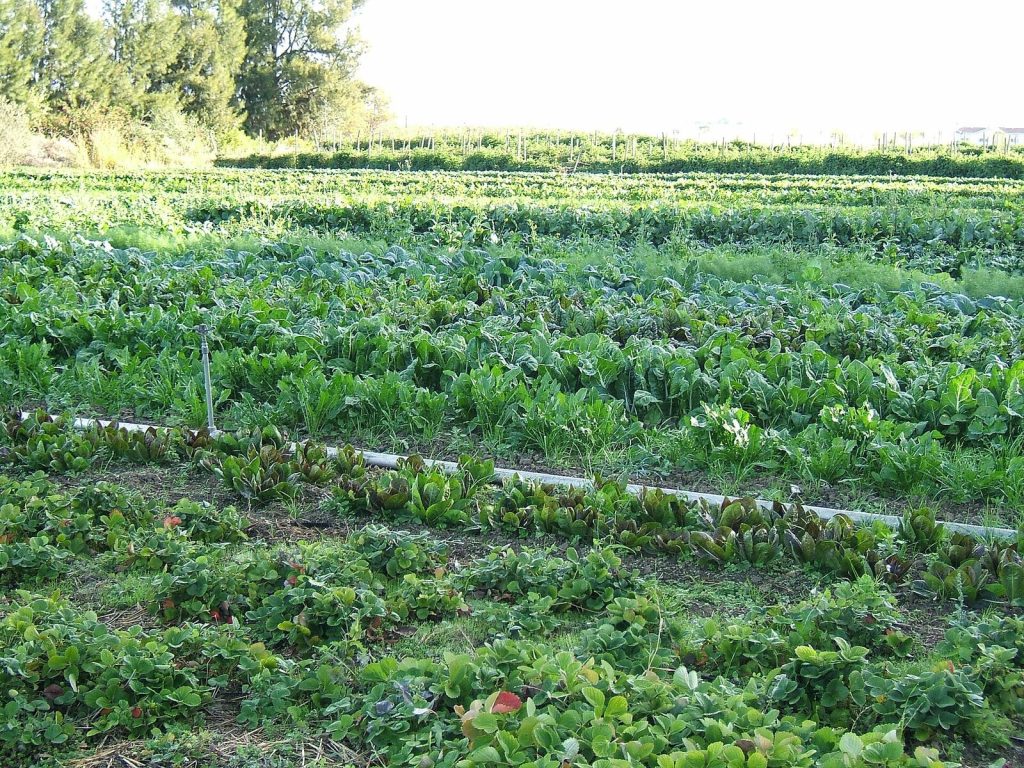
Tomatoes, cabbage, onions, sukuma and local greens turn a small piece of ground into steady income, but they demand more attention than a cereal and punish neglect faster. They also need a market plan before planting, because a glut can wipe out the price just as your crop matures.
Start most of them in a nursery bed rather than sowing direct, and transplant in the evening or under cloud so the seedlings are not shocked.
Cassava and sweet potato
The crops that carry a household through a bad season. Both are more tolerant of poor soil and erratic rain than maize, and both are worth keeping in the ground as insurance even in a year when the cereal looks good. Use clean, disease-free planting material: for cassava especially, infected cuttings will carry problems straight into the new garden.