
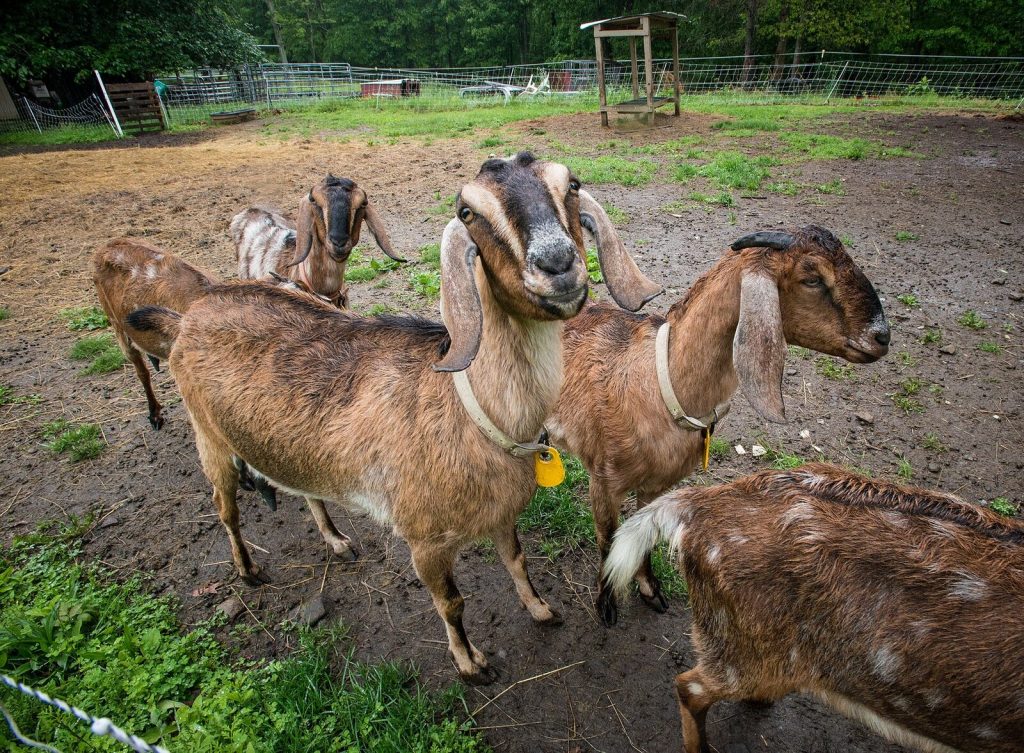
Uganda has no goat breeding season. Sitting on the Equator, the country gets no change in day length, so a doe can be mated in any month and the calendar is the farmer's to set. That freedom is why so much Ugandan goat breeding is accidental. This goat breeding guide sets out the decisions that turn it into a plan.
Nearly every guide you will find on this subject was written for a northern latitude, and one of them gives a breeding season running from August through January. That season is real where day length changes. It does not exist here, and copying it means waiting for a window that never opens.
Goat Breeding in Uganda Has No Natural Season
Uganda's national genetics agency puts it in two lines in its goat manual. Uganda is located along the Equator, there are no changes in photoperiod, and non seasonal goat breeds exist. Nothing in the goat's environment tells her when to breed, so nothing stops her breeding at a bad moment either.
What replaces the season is your own choice of when kidding should fall, and there is a right answer to that. The agency's own reason for choosing a mating time is to put kidding where feed is abundant and cheap. Working back from a gestation of about 150 days, a doe mated at the start of a dry spell kids into the rains, and a doe mated at the height of the rains kids into a dry month with nothing standing.
When a Doe Is Ready for Her First Mating on a Ugandan Farm
Two Ugandan sources give an age and they overlap. The national genetics agency says a well fed female is ready from at least eight months to one year and a male from one year, with the instruction not to rush young goats into reproduction before they are sexually mature. A NARO and Makerere handbook sets the test at dentition instead, asking for at least two hard teeth, which it puts at ten months.
Take eight to twelve months as the band and treat body condition and dentition as what decides where in it a particular doe sits. A regional review of East African indigenous goats reports does often reaching sexual maturity between eight months and a year, which fits.
The penalty for mating early is specific rather than vague. The handbook states that a female mated young and at low body weight produces a kid whose growth will be very poor and which will be of little value, and that a doe who is not physically fit when mated will fail to come on heat, will abort, or will reabsorb the foetus early. If she does carry the kid she will not rear it satisfactorily. So an early mating does not simply advance the calendar. It costs you that kid.
Regional work on indigenous and crossbred does puts the age at a first kidding somewhere between 549 and 663 days, so 18 to 22 months. That gap between a doe being ready at ten months and a doe actually kidding at twenty is the working capital problem that our startup budget for a goat herd is built around.
Signs of Heat and the Length of the Goat Breeding Cycle
A doe on heat tells you, if somebody is looking. The handbook lists it plainly: she becomes restless, she bleats frequently, she wags her tail, her vulva is swollen and discharging a clear mucus, and she mounts other does.
That last sign is the one most often missed and the most useful, because it is visible from a distance in a flock where nobody is handling individual animals. A doe mounting another doe is a doe to write down.
Figures in circulation put the cycle at 18 to 21 or 18 to 22 days, which overlaps the Ugandan handbook's 19 to 24. The practical point survives either reading: if a mating fails you will know inside three weeks, and a mating period of 45 days is stated as sufficient where the does are in good condition, because it covers two cycles.
Controlled Mating in a Flock That Runs One Buck to Five Does
Here is the measured Ugandan situation. Across 323 goat keeping households in a national survey, flocks were 62.7 per cent does, 11.8 per cent bucks and 25.6 per cent kids, with a median flock of 24 goats holding 13 does and 3 bucks. That works out at roughly four to five does per buck by either route, which is a derivation from the survey's own proportions rather than a published figure.
Now set that beside what a buck can cover. Figures in circulation in general goat husbandry reference put a yearling buck at 10 to 25 does and a mature buck of two years or more at 15 to 40. No Ugandan recommended ratio could be sourced, so treat those as reference rather than as local guidance. Either way the typical Ugandan flock carries several times the male capacity it needs.
That surplus is not a separate problem from uncontrolled mating. It is the mechanism. A regional review describes exactly how it works: does and bucks graze beside each other by day and are confined in one place at night, there is no set mating season, and it becomes hard to tell which doe was served and by which buck, which encourages inbreeding within the flock. The consequences it records are premature births, difficult births, poorly grown kids and higher kid mortality.
So the direction of travel on almost any Ugandan smallholding is one selected buck and no spare males. The national genetics agency's own instruction for a first cross male is to castrate and fatten him or sell him for slaughter, which is the same decision reached from the genetics side. Where he sleeps matters too, and the sections our goat housing guide sets out are what make separate holding possible at all.
Choosing and Rotating a Breeding Buck
The buck decides half the genetics of every kid born on the farm, and the national genetics agency makes the point sharply: there is a strong genetic relationship between a buck and the daughters it produces, so careless buck selection introduces undesirable traits into the whole herd.
Before money changes hands, have a veterinarian perform a breeding soundness evaluation. That is the agency's instruction, and it adds that does and bucks alike should be examined before the breeding period, and that poor health causes loss of libido and infertility. Select on age at sexual maturity, prolificacy, litter size and the other traits that actually earn, which is covered from the purchase side on our guide to the best goat breeds in Uganda.
Then feed him, and start early. A buck takes more than 56 days to make and mature a batch of sperm, which is why the manual asks for him to be fed for at least eight weeks before he is used, and particularly where mating is being grouped. A buck brought in thin and used the same week is producing sperm that was made while he was thin.
Artificial insemination is worth one sentence and no more. The regional review records low cost insemination being used in Ethiopia to widen small ruminant genetics, and no Ugandan goat insemination service could be confirmed, so ask the district veterinary office what exists near you rather than planning around it.
Natural Synchronisation: Grouping Kiddings Around Feed and Market
This is the method almost nobody publishes and it needs no product. The national genetics agency calls it natural synchronisation. Separate the buck completely from the does for a minimum of three to six weeks, at a minimum distance of 500 metres, then reintroduce him suddenly. The does come on heat and are mated within three to eighteen days.
The distance is the part people skip and it is the part that makes it work. A buck in the next pen is not separated. He is 20 metres away and the does know it.
The agency gives five reasons to group kiddings and four of them are about the farm rather than the animal. Choose the mating time so kidding falls where feed is abundant and cheap. Concentrate your supervision on the critical periods, kidding, weaning and marketing, and take your own leave around them. Produce to a dated market requirement or a supply contract. Upgrade the flock by breeding to a plan. And synchronise a workforce that would otherwise be idle between peaks.
The cost of grouping is that everything arrives at once, which brings its own risk. Where many does kid at the same time, the manual warns that care is needed to be sure kids receive the right quantity of milk, to avoid deaths from low blood sugar. Group the kiddings and you must also be present for them.
Feeding Around Mating and Late Pregnancy
Two feeding windows sit inside the breeding calendar and both are short. They are the highest return feeding decisions on a goat farm and the quantities belong on our page on goat feed requirements rather than here.
Flushing. Lift the feeding level about two weeks before mating, which raises the ovulation rate, and keep it up for at least two weeks after mating, which limits embryo losses. Both halves are needed. Lifting feed and then dropping it at mating wastes the ovulation you paid for.
Steaming up. Supplement at the end of pregnancy, with the agency asking for adequate feeding through the last six weeks. It improves foetal growth, colostrum and milk production and mammary development.
Then the sentence that should decide how seriously a farmer takes the second one. The manual states that a doe underfed during pregnancy gives birth to a female kid at risk of a non functional reproductive tract and a male kid with fewer muscle cells, and that no matter how those kids are fed later in life they will not grow accordingly or reach their potential. The reproductive machinery of the next generation of does is built before they are born. Underfeed a pregnant doe and you have limited her daughters, permanently, before they drew breath.
The agency also asks for strategic high protein supplementation during the embryo's organ development phase, and for a small quantity of feed before kidding to build body reserves. The daily routine that delivers any of this is on our goat feeding guide.
Gestation and Kidding: Counting 150 Days on the Farm Calendar
On average a doe kids 150 days after she is mated, and does carrying twins kid a few days earlier. The practical instruction in the handbook is to be ready for kidding 145 days after the buck went into the breeding group, which is the version to write on the wall, because you usually know when the buck went in and not when each doe was served.
| Stage | Timing | Action |
|---|---|---|
| Buck feeding | 8 weeks before | Feed him up |
| Flushing | 2 weeks before | Lift doe feeding |
| Hold flushing | 2 weeks after | Limits embryo loss |
| Steaming up | Last 6 weeks | Supplement the doe |
| Be ready | Day 145 | Watch for signs |
| Kidding | About day 150 | Leave her alone |
| Colostrum | First 24 hours | Every kid suckles |
The signs of kidding are the udder firming and the teats enlarging, restlessness on the day, often pawing at the ground, and a discharge from the vulva. Leave her alone and unharassed through labour. If she has not kidded within three hours of labour starting, seek professional help, and our note on when to call a veterinarian covers making that decision. The placenta is normally expelled within a few hours of birth and must not be pulled if it is not.
Once the kid is out, clear the mucus from its nostrils if the dam has not done it, and clean the navel with an iodine or spirit based antiseptic immediately. The kid usually suckles at once, and one that is too weak gets fed by bottle. MAAIF's guidelines require that every kid receive adequate colostrum within the first 24 hours of life, from the dam or from a bottle, which is the single most consequential hour in the animal's life.
One more ministry rule that catches breeders out: do not transport a pregnant animal within two weeks of her due date, or within two weeks after delivery or abortion. Buy bred does early or buy them later.
Why the Ugandan Kidding Interval Is 297 Days and Not Twice a Year
You will read that a well managed doe kids twice a year. Fit two kiddings into twelve months and the gap between them has to be 182 days or less. The published figure for Ugandan Mubende goats in village systems is a parturition interval of 297 days, which is about 1.23 kiddings a year, and an eleven country review across East Africa and the Horn found indigenous and crossbred intervals spread from about 240 days to about 465, with 167 the single shortest figure anywhere in it.
So the twice a year claim is not a stretch target. It is 60 per cent more output than the measured Ugandan animal delivers, and a plan built on it will be wrong about the money by roughly that much. Our goat farming profit calculation works through what the real figure means in kids weaned, which lands at roughly one sellable kid per doe per year once kid losses are counted.
What management can actually move inside that interval is worth knowing, because it is not nothing. The interval is the time from one kidding to the next, and it is made of the time until the doe conceives again plus 150 days of pregnancy. Everything on the front of it is yours: whether she is in condition to cycle, whether anybody notices her heat, whether a buck is available in the week she shows it, and whether she is carrying a kid so long that she never comes back into condition. Weaning age sits in the middle of that, which is the next section.
Prolificacy for the same Ugandan population was 1.30 kids per kidding, so twins are common rather than rare. A Tanzanian study across eleven indigenous goat populations found twinning rates from 35 to 76 per cent, which is a Tanzanian figure and not a Ugandan one, and it is the only quantified range available. Prolificacy runs in families, which is why the agency lists it among the traits to select on.
Weaning Kids and Why Male Kids Leave the Herd First
Three Ugandan sources give three weaning positions, and they are not in conflict once you see what each is for.
MAAIF sets a floor: do not wean kids before they are at least six weeks of age, and give them access to dry food from about one week. The national genetics agency describes a practice: introduce good feeds and concentrates in the third week, halve the daily intake at about two and a half months, and wean two to four weeks after that. The NARO and Makerere handbook goes later still and splits by sex: wean male kids at four months and leave female kids with the dam a further month.
The handbook's reason for weaning males first is not nutritional. They are becoming sexually active by four months and they harass the females. The national genetics agency gives the same instruction and names the consequence outright: wean male kids earlier than female kids to prevent inbreeding, because they mature quite early. A four month old buck kid in a flock with his own mother and sisters in it is a mating event waiting to happen.
The first six weeks are the period when the kid depends entirely on the dam's milk, which is why the floor is where it is and why the doe needs good feed and plenty of water through it. Ugandan practice records three rearing systems. The kid stays with the dam; or it is penned at night and runs with her through the day; or it is taken off her altogether and fed from a bucket or a bottle. The manual states the third suits commercial dairy goat farming and needs a high standard of management, and that where cleanliness, hygiene and accurate work fall short the result is high kid mortality and low growth. Do not choose it because it sounds professional.
Where kids go out with the dams, somebody has to be sure every kid has suckled before the dams leave and again when they come back. Does that reject their kids should be marked, and surrogate dams found for the rejected kids.
Culling Does and Building a Recorded Breeding Herd
Culling is a breeding decision and MAAIF's guidelines put numbers on it. Cull or sell does more than eight years old or after six kidding seasons, along with infertile does, does with udder problems and does with visible physical defects, and do it regularly rather than in a crisis. The Ugandan handbook adds the conformation faults that take a female out of the breeding stock: bad feet, hard udders, blind eyes.
Which brings the problem most Ugandan goat keepers actually have, which is that they cannot tell one doe's performance from another's. The national genetics agency's answer to it is the most practical piece of breeding advice in its manual, and it assumes you started with animals of unknown quality, because most people do.
Selection of kids to become parents depends on their own performance and on their parents', which is only possible where both were recorded. A livestock record keeping template is enough to start; the thing that has to be right is the ear tag, because a record you cannot attach to an animal is worth nothing.
Crossbreeding, the F1 Trap and Inbreeding in a Small Flock
Crossbreeding with an improver breed is described by Uganda's national genetics agency as the quickest way to lift a trait of interest, done in a scientifically controlled way, and as something that can kill the improvement programme or the good traits already in the local population when it is not controlled. There is one specific trap and it catches the farmers who are most pleased with their results.
Do not cross two first crosses together. The manual is explicit that mating first cross to first cross produces genetic segregation which kills the improvement, and that this is exactly what many farmers do because they are attracted by how good the first crosses look. What to do instead is split by sex.
| Generation | Improved share | What to do |
|---|---|---|
| First cross | About 50 per cent | Castrate or sell males |
| First cross female | About 50 per cent | Cross to improved again |
| Third generation | About 75 per cent | Keep crossing females |
| Fourth generation | About 87 per cent | Nearing the improved type |
You close on 100 per cent without ever reaching it, and that is the intended outcome rather than a failure. The sequence is credited in the manual to a development project, and what makes it work is that the improved genetics always come from the male side, so you never need to know a first cross buck's pedigree because you never use one.
On inbreeding itself, two Ugandan findings need separating because they get run together. A study genotyping 1,021 Ugandan goats on a 60,000 marker chip found an average inbreeding coefficient of 0.014 and read the low positive values as showing no deliberate inbreeding in the national population. At the same time the ministry instructs farmers not to practise inbreeding and the regional review describes flocks where nobody can say which buck served which doe.
Both are true, because they measure different things. Animals move between Ugandan flocks constantly, through markets, gifts and communal grazing, and that flow keeps the national gene pool mixed. Inside one flock with one buck and his own daughters in it, the picture is entirely different, and nothing about a low national figure protects that flock. The fix is a mating plan and a buck who leaves after two breeding seasons, not fresh blood bought in a panic.
Goat Breeding Questions Ugandan Farmers Ask
How many bucks do I need for my does? Almost certainly fewer than you have. Ugandan flocks were measured at roughly four to five does per buck, while circulating husbandry reference puts a yearling buck at 10 to 25 does and a mature one at 15 to 40. No Ugandan recommended ratio could be sourced, so the honest answer is one selected buck for a smallholder flock, with every other male castrated, sold or fattened, and the buck kept where he cannot serve does you did not choose for him.
Can a Ugandan doe kid twice a year? Not on the measured evidence, which is that Ugandan Mubende goats in village systems kidded 297 days apart while the regional spread runs 240 to 465. Twice a year would need 182 days or less. Plan on a little more than one kidding a year, and put your effort into shortening the gap between kidding and the next conception rather than into a figure the animal cannot reach.
How do I know when a doe is on heat? Restlessness, frequent bleating, tail wagging, a swollen vulva with clear mucus, and mounting other does. The mounting is the sign you can see without handling the animal, so it is the one to build a habit around. The cycle runs 19 to 24 days, so a doe you miss comes back within three weeks.
When should a doe first be mated? Between eight and twelve months if she is well fed, judged on body condition and dentition rather than on a birthday, with one Ugandan source asking for at least two hard teeth at about ten months. Mating her earlier and lighter gives a kid with very poor growth, and can cost you the pregnancy altogether.
A doe has been in labour a long time. What do I do? Leave her undisturbed while labour is progressing. If she has not kidded within three hours of labour starting, get professional help. Do not pull a placenta that has not come away on its own.
Is it worth paying more for an improved buck? Sometimes, and it is the one animal on a goat unit where that is true, because he carries half the genetics of every kid born. Two conditions before you pay. Have a veterinarian do a breeding soundness evaluation first, because a buck with poor libido or infertility is expensive at any price. And check that your buyers pay for the weight he produces, since Ugandan work on community based breeding found informal markets undervalue genetic improvement. Our startup cost guide covers where the buck sits in the budget.
Should I keep records with only five goats? Yes, and five is the easiest time to start. Ear tag every animal, write down the date each doe was served and by which buck, the date she kidded, how many kids and their birth weights. Within two kiddings you will know which does are worth keeping, which is the whole point of the base population method above. Records are also what the agency names as the basis for qualifying animals for export.
Do does need vaccinating before kidding? The national genetics agency's manual states that does can be vaccinated against clostridial infections about three weeks before kidding to raise kid survival, and lists clostridial vaccination twice a year in its annual health calendar. What product, whether your area needs it and exactly when are questions for a veterinary officer rather than for a page, and the wider picture sits on the livestock vaccination calendar.
Talk to your district veterinary office before you spend on a buck, on bred does or on any service, because what is available and what it costs both turn on where you are. Four more pages carry this cluster from the livestock guides hub: which animal to buy, what to cut and when, how to build the shed, and goat farming in Uganda from the top.