
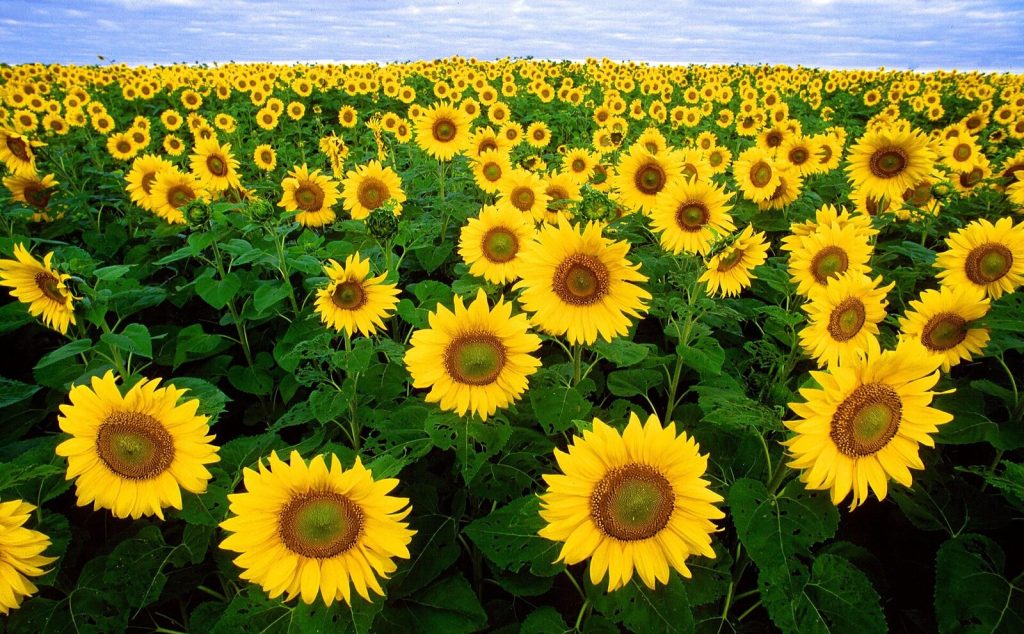
Sunflower cake is the one oilseed by product in the Ugandan feed trade with no toxin to manage. It needs no heat treatment and carries no gossypol, so what limits it in a ration is fibre and one missing amino acid rather than a poisoning risk. That makes it the easiest of the cakes to handle and the easiest to misuse, because the widely circulated Ugandan description of it gets the amino acid backwards.
Sunflower Farming in Northern Uganda and Where the Cake Goes
Sunflower is grown in Uganda mainly for oil, and mainly in the north. The pig feeding manual written for Uganda's smallholder pig value chain by the International Livestock Research Institute states both facts and adds the part that decides the market: sunflower cake is available on the market but is mostly bought by large scale feed manufacturers, and smallholders buy it in small quantities from distributors or feed stockers rather than direct from the crushers.
That supply shape has consequences a farmer feels. Small lots bought from a stockist have travelled further and sat longer than the same cake bought at a mill, and the same manual reports that aflatoxins have been found in sunflower cake on the market, which is a storage and handling outcome rather than a property of the seed. It also means the cake reaching a smallholder is usually whatever grade the large buyers did not take.
The crop side of this sits on the sunflower farming page, and the pressing side on the sunflower oil processing page. What matters here is that cake is a residue: how much exists, and what condition it is in, follows the oil business rather than the feed business.
Expeller Cake Against Solvent Meal, and Why the Feed Value Moves
Two words get used loosely in the trade and they describe genuinely different products. Cake is what a screw press leaves. Meal is what solvent extraction leaves, or what milling whole seed produces. What separates the two is wide enough to change a ration.
Feedipedia, the international feed resource database co published by FAO, sets out the spread. Protein runs from about 23 percent of dry matter for a non dehulled, mechanically pressed cake to over 40 percent for a heavily decorticated solvent extracted meal, with the usual bands at 29 to 33 percent for non dehulled products and 35 to 39 percent for dehulled and partly dehulled ones. Crude fibre tracks the hulls in the opposite direction: 27 to 31 percent for non dehulled, 20 to 26 percent for dehulled. Lignin stays high at 9 to 12 percent even in dehulled meals. Solvent extracted meals hold about 2 to 3 percent residual oil while mechanically pressed ones can hold up to 30 percent.
| Product | Crude protein | Crude fibre | Residual oil |
|---|---|---|---|
| Cake, hulls in | 23 to 33 pc DM | 27 to 31 pc DM | Up to 30 pc |
| Meal, part dehulled | 35 to 39 pc DM | 20 to 26 pc DM | 2 to 3 pc |
| Meal, fully dehulled | Over 40 pc DM | Lower again | 2 to 3 pc |
The oil column is what confuses the naming. An expeller cake with a lot of oil left in it has a higher gross energy than a solvent meal, at roughly 22 megajoules per kilogramme of dry matter against about 19, while carrying less protein. So the cake is a better energy feed and the meal a better protein feed, out of the same seed. The Ugandan pig manual describes sunflower cake in exactly those terms, as a product considered a protein source that is also energy rich.
Where a ration is built on table values, this is the ingredient most likely to break it. The database's own instruction is blunt and worth following: with sunflower meal, always work from the actual analysis of the batch rather than from table values, and it notes that many published trials fail even to say whether the product was dehulled or how the oil was extracted.
Why Sunflower Cake Cannot Simply Replace Soya Cake in a Feed Ration
This is the section that matters most, because the most widely circulated Ugandan description of sunflower cake is wrong on the one point a substitution turns on.
MAAIF's poultry training manual lists sunflower cake in its table of main protein sources and describes it as high in protein, high in lysine, methionine and histidine, but also high in fibre and low in energy. The fibre and energy half is right. The lysine half is not. Sunflower meal is lysine deficient, which is the single most consistent finding about the ingredient in the published literature: That FAO database puts its lysine at about 3.5 percent of protein against soybean meal's 6.1 percent, and reports it as considered lysine deficient for several monogastric species. The Ugandan pig manual says the same thing in its own sunflower entry, naming amino acid deficiency, lysine in particular, as one of the two things limiting its inclusion.
The error looks mechanical rather than deliberate. MAAIF's soya bean cake row in the same table uses the identical phrase, high in lysine, methionine and histidine, which is correct for soya, and the wording appears to have been carried across. The ministry's sunflower row is also the only row in its protein table with no inclusion figure attached, so a reader gets an incorrect amino acid claim and no ceiling in the same line.
What is genuinely true, and is the real reason to buy sunflower cake, is the other amino acid. Sunflower is richer in the sulphur amino acids, methionine in particular, than most plant protein sources, which is the gap soya leaves. The Ugandan pig manual makes that point precisely, describing sunflower cake as carrying a large proportion of methionine, an amino acid at low levels in most feeds including most plant protein supplements.
Fibre Is What Sets the Ceiling on Sunflower Cake in a Feed Ration
No percentage appears on this page, and the reason is that Uganda's two main training documents cannot agree with themselves about it.
The Ugandan pig feeding manual states one ceiling for sunflower cake in its ingredient text and a different set of figures in its own maximum inclusion table, including a lower figure for breeding sows than the text recommends. The same manual contradicts itself more severely on maize bran and on wheat bran, in one case forbidding in the table an inclusion the prose advises. MAAIF's poultry manual, as noted above, gives no figure at all for sunflower cake while giving one for every other protein source in the table. Publishing a number lifted from either document would mean choosing one of two figures that a Ugandan Tier 1 source states side by side, which is not a choice this page is in a position to make.
What is publishable is the mechanism, which is more useful anyway because it tells you which direction to move.
One more physical effect belongs with pigs. The Ugandan manual names soft fat deposition in the carcass, alongside fibre, as a reason to cap sunflower cake in a pig ration. That comes from the oil: a high oil expeller cake carries unsaturated fat, and a pig lays down fat that reflects what it ate. It is a carcass quality problem that shows up at sale rather than an animal health problem.
Judging Sunflower Cake Quality Before You Mix Feed
Sunflower cake is the one ingredient on the Ugandan feed shelf where a useful quality judgement can be made by eye, and the Ugandan pig manual spells out the method.
Check the bag first, because the production process is often printed on it and that single line tells you which product you have. Where it is absent, use the colour. The manual's rule is that sunflower cake and meal run from grey to black depending on how much dehulling was done and how the oil was extracted: material with fewer hulls, and so more protein, tends to look grey, while material that was not dehulled looks very dark. International feed tables give the same colour rule from the other direction, noting that meals with fewer hulls are lighter.
That is a genuine grading tool and it is free. A dark, coarse, husky cake is a high fibre low protein product whatever the seller calls it, and it belongs in a cow's ration rather than a broiler's. A pale grey, finer material is the higher protein grade.
Two things the colour cannot tell you. It says nothing about mould, so smell the material and reject anything musty, and nothing about how long it has sat. Ugandan survey work on feed handling found most buyers judging quality by smell, appearance and peer information, with about a third inspecting for foreign objects, and found that most did not use the same supplier twice. A grade you can read off a bag is worth more than any of those, and a supplier you can return to is worth more again.
Two Risks That Do Travel With Sunflower Cake in Livestock Feeding
Saying sunflower has no intrinsic anti nutritional factor is accurate and it is not the same as saying nothing can go wrong with it. The FAO database draws the distinction: the ingredient itself is considered safe for all species, and the risks come from what happens to it in the field, at harvest and afterwards.
Mould is the first and it is the one that matters in Uganda. The Ugandan pig manual reports aflatoxins in sunflower cake on the market, and the Makerere led ingredient survey put a figure on it: sunflower seed cake averaged about 17.00 parts per billion of total aflatoxin from large scale processors and about 62.25 from small scale ones, a difference that was statistically reliable. That puts it in the middle of the five main Ugandan ingredients, cleaner than cotton seed cake and maize bran, dirtier than soya and mukene. The oil is part of why: an oil rich cake with any moisture in it is good mould substrate, and the survey's storage findings apply here as much as anywhere, with most respondents keeping ingredients on the floor and most not rotating stock. Anyone reaching for a clay binder or another anti mould additive should read the packet rather than a page: those products set their own holding times for laying, milking and finishing stock, and a veterinary officer confirms them for a particular flock or herd.
Copper in sheep is the second, and it is narrow but lethal. Sheep are more susceptible to chronic copper poisoning than other livestock, and lamb deaths have been reported where sunflower meal with only moderate copper content was fed, the problem being the ratio of copper to molybdenum rather than the copper level alone. Copper can arrive in sunflower products through copper containing fertilisers used on the crop. The published mitigation is to feed sunflower products to sheep alongside sources of molybdenum such as green forage. This is a case where a veterinary officer's input is worth having before a sheep flock goes onto sunflower cake, because no farm test distinguishes a safe batch from a dangerous one.
A third item is cosmetic rather than harmful and it surprises layer keepers. Chlorogenic acid in sunflower meal stains eggshells where eggs come into contact with the dust. Pelleted feed and frequent egg collection both reduce it. Nothing is wrong with the egg.
Where Sunflower Cake Sits in the Ugandan Feed Market
Sunflower cake competes for the same buyers as cotton seed cake and soya cake, and its position is set by two things it cannot control: how much sunflower was crushed, and what the large mills paid for the good grades.
Its advantages over the alternatives are real. There is no toxin to manage, no heat treatment to get right, and no restriction on breeding stock or young ruminants, all of which apply to cotton seed cake. Its methionine complements soya rather than duplicating it. Against that, it carries the most fibre of the three, the widest quality spread, and the least lysine, and the grade a smallholder is offered is often the worst one.
The sensible use, on that reading, is as a partner rather than a replacement. A Tanzanian dairy trial that raised milk yield in crossbred cows through a dry season did it by adding sunflower meal to maize bran, which is exactly the pairing a Ugandan smallholder can assemble: a cheap bulk energy by product plus a moderate protein cake, both locally milled. The maize bran page covers the energy half of that combination, the dairy concentrate page covers how the mix gets assembled, and the animal feeds and health hub indexes the neighbouring ingredients.
Frequently Asked Questions About Sunflower Cake in Animal Feed
Does sunflower cake need heating or treating before feeding? No. It is the one oilseed cake in common Ugandan use with no intrinsic anti nutritional factor, unlike soya, which needs heat, and cotton, which carries gossypol. The Ugandan pig manual states plainly that sunflower meal needs no heat treatment before feeding to pigs. Its limits are fibre and amino acid balance.
Is sunflower cake high in lysine? No, and this is worth being firm about because a widely used Ugandan manual says it is. Sunflower carries roughly half the lysine of soybean meal as a share of protein and is described in the published literature as lysine deficient for several monogastric species. It is rich in methionine, which is a real advantage and a different one. Do not treat it as a weight for weight substitute for soya cake.
Can I feed sunflower cake to dairy cows as the only protein supplement? Published work supports it more strongly for cattle than for any other class, with trials replacing soybean meal in dairy rations and finding milk yield and composition unchanged. The rumen deals with both the fibre and the protein. Whether it is the right choice for your cows depends on the rest of the diet, and that is a conversation for a nutritionist or your district veterinary or extension officer.
Why do my birds eat less on a sunflower cake ration? Fibre and bulk. High fibre feed sits partly digested and lowers intake, as MAAIF's manual notes, and a bulky sunflower based diet lowers feed consumption before the bird has met its energy requirement. Pelleting is the documented remedy and it is a mill capability. Reducing the share of cake and supplying amino acids from elsewhere is the farm level version.
Is a dark sunflower cake worse than a pale one? For a monogastric ration, yes. Dark material means hulls were not removed, which means more fibre and less protein. Pale grey material is the higher protein grade. The colour rule comes from the Ugandan pig feeding manual and from international feed tables independently, which is unusual agreement for a field test.
Is sunflower cake safe for sheep? With one caution. Sheep are unusually susceptible to chronic copper poisoning and lamb deaths have been reported on sunflower meal where the copper to molybdenum ratio was wrong, even at moderate copper levels. Feeding it alongside green forage as a molybdenum source is the published mitigation, and a veterinary officer should be consulted before a flock goes onto it regularly.
How does the price compare with soya or cotton cake? Compare per kilogramme of protein rather than per sack, because sunflower cake carries the least protein and the most fibre of the three, so the cheapest sack is often not the cheapest protein. Add the cost of the lysine you will need to make up. Sunflower cake prices follow the oil crushing season in the north and the large mills take the best grades first, so both price and quality move together and any single figure goes stale quickly. The current poultry feed price is the benchmark worth comparing a home mixed ration against.
Sunflower cake prices and grades vary by district and by how far the cake has travelled from the press, so ask locally and ask for the grade. Check the bag for the production process and the date, use the colour test before you buy, and take questions about feeding it to sheep, to breeding stock, or alongside a mould binder to your district veterinary officer or extension officer. Stockists and veterinary contacts by district are reachable through the poultry feed buying page and the supplier directory.