
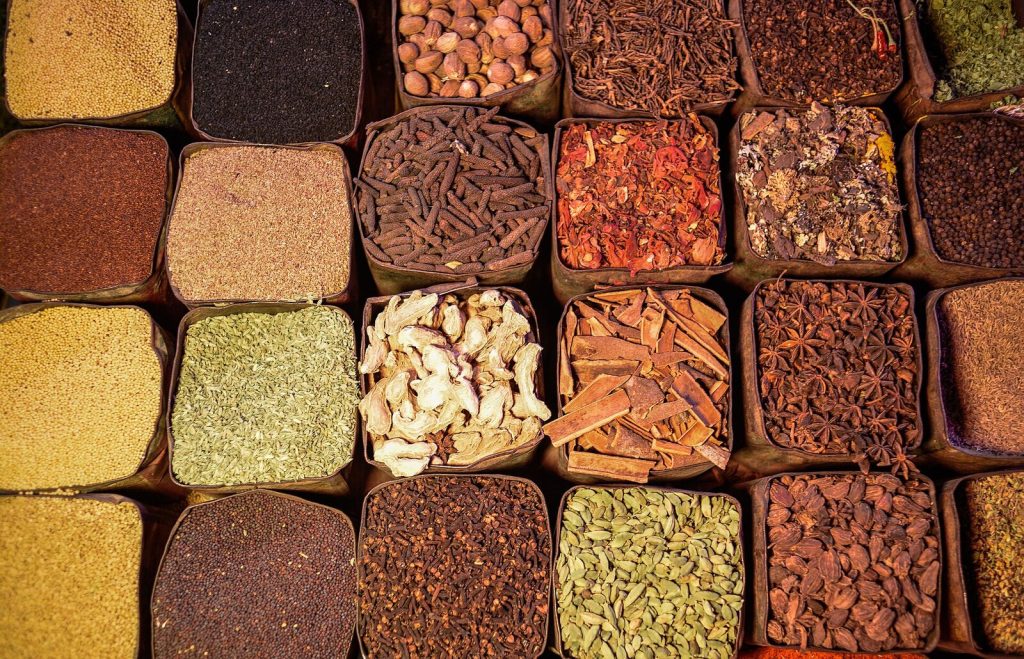
A spice grinding and packaging business buys whole dried spice, reduces it to a defined particle size and sells it in sealed retail packs. What it is really selling is convenience, because grinding takes value out of the product rather than adding it. Aroma starts leaving at the moment of grinding, published specifications allow a ground spice half the volatile oil of a whole one, and the grit limit gets tighter rather than looser. Reading that trade correctly decides whether the business works.
What a Spice Grinding Business Actually Sells to Ugandan Buyers
Two things, and only one of them is the powder. The first is convenience: a cook who wants pepper on the table will pay more per kilogramme for it ground and packed than loose and whole. The second is trust, which is the part most small operators skip. A sealed, labelled, single origin pack of one spice at one grade is a promise that the buyer cannot verify by looking, and the price gap between an open sack in a market and a sealed pack on a shelf is the price of that promise.
What the business is not doing is improving the crop. A whole peppercorn is a sealed package that nature built. Breaking it open exposes the oil, the pigment and the starch to air, light and moisture all at once. From the moment the mill runs, the product is on a clock, and the business model has to be built around that clock rather than in spite of it.
Grinding Costs You the Aroma the Market Pays For
This is not a matter of opinion. It is written into the standards, and the numbers are blunt.
The Codex standard for black, white and green peppers sets a minimum volatile oil content for whole black pepper of 2.0 millilitres per 100 grammes at the first grade, 1.5 at the second and 1.0 at the third. For ground black pepper the minimum is 1.0. Ground white pepper is allowed down to 0.7, against 1.5 for whole white at the first grade. So the same document that holds whole first grade pepper to 2.0 accepts half that in the ground product, which is a regulator's way of admitting what grinding does.
The footnote to both tables is sharper still. It instructs that volatile oil content should be determined immediately after grinding. The analyst is told to hurry because the number falls while you wait. Nobody selling you a mill is going to mention that.
| Line measured | Whole black pepper | Ground black pepper |
|---|---|---|
| Volatile oil, minimum | 2.0 grade one | 1.0 |
| Moisture, maximum | 12.0 grade one | 12.0 |
| Acid insoluble ash, max | 1.5 | 1.2 |
| Piperine, minimum | 3.5 grade one | 3.5 |
Read the third row twice. The limit on mineral grit gets tighter when the product is ground, from 1.5 percent down to 1.2. That is the opposite of what a new operator expects, and the reason is obvious once stated: you can pick a stone out of whole pepper and you cannot get fine sand out of a powder. Dirt that a whole spice would have survived becomes a permanent defect the moment it goes through the mill.
The Ugandan Village Mill Is the Contamination Route
Uganda has measured evidence on what the shared milling machine does, and it is the single most useful thing on this page. A study of the cassava value chain in Ugandan districts looked at the machines people actually take their crop to. Of fourteen processing machines, one was certified and registered with the Uganda National Bureau of Standards. There was one machine for every 180 customers. Three quarters of the machines ran on diesel rather than mains power, because electricity was not available across most of the study sites. Each machine handled an average of about 26 kilogrammes of chips a day.
Then the part that matters for a spice business. The same machines were used for maize, sorghum and millet, all crops with a known mould toxin problem. When the researchers asked whether the machines were cleaned between one crop and the next, or between one customer's lot and the next, every operator said they never do.
That study was about cassava, and the honest scope is that it measured cassava chain practices in particular Ugandan sites. What it establishes is about the machine rather than the crop. Take your dried spice to a mill that grinds maize and never gets cleaned, and your pack inherits whatever was in the chamber before it: cereal dust, cereal mould spores, and the flavour of the previous job. A pepper that tastes faintly of maize is not a mysterious quality problem.
The same study found processors were the group least likely to be putting any toxin management practice into effect, at about one in five of those who knew such methods existed. So the processing step in Uganda is under managed, which is both the risk and the opening.
Choosing a Mill and a Sieve for Spice Production
Particle size is the product specification, not a detail. A powder too coarse reads as adulterated bulk to a buyer, and one too fine cakes in the pack and loses aroma fastest of all. The Indian standard for chilli powder requires the material to pass a 500 micrometre sieve completely, and that is the kind of line a serious buyer will hold you to even where no local specification exists. Name the mesh you work to and keep the screen that produces it.
Three things separate a spice mill from a maize mill in practice. It must be strippable, because you will clean it between batches and a machine you cannot open cannot be cleaned. It must have interchangeable screens, so one machine can produce a coarse flake and a fine powder. And it should move product through quickly rather than recirculating it, because time in a hot chamber is what costs aroma.
For hard, oily material such as pepper, clove and dried ginger, expect the machine to work harder and heat more than it would on grain. Our guide to milling machines covers the mechanics of the machine classes; what changes for spice is the cleaning discipline and the screen, not the physics.
Heat in the Grinding Chamber and the Cost of Fast Production
Grinding turns mechanical work into heat, and heat drives volatile oil out of an opened spice. The faster you push a batch, the hotter the chamber gets and the more aroma leaves through the outlet instead of into the pack. Commercial processors deal with this by chilling the mill, which is not a realistic purchase for a small Ugandan operator.
What is realistic is working with the heat rather than against it. Grind in short runs and let the machine cool between them. Keep batches small enough that the whole run is packed and sealed the same day. Never leave ground product standing open in a warm room while you finish another job, because the room is now a slow dryer running on your aroma. And where a buyer will take whole spice, sell it whole and let them grind it, because that is a higher value product with a longer life and less work.
Ground Spice Is Held to a Tighter Grit Limit Than Whole Crop
Because grinding makes soil permanent, everything upstream of the mill has to be clean before the mill runs. That means the drying surface above all. A spice dried on a swept earth floor carries mineral dust that the acid insoluble ash test will find, and a ground product has a tighter allowance for it than a whole one. Our spice drying and processing guide works through the surfaces and the rest of the pre mill discipline.
Sort and clean the whole spice before it goes in. Remove stalks, stones, light and immature material, and anything mouldy or insect damaged, because a mould damaged berry that would be a visible defect in a whole lot becomes an invisible one in a powder. On chilli, removing stalks before grinding has measured value in its own right: work on dried red chilli found destalked powder carried more colour and more carotenoid than powder made from whole fruit with the stalks left in.
Blending, Adulteration and the Batch That Ruins a Whole Production Run
Blending is where a small spice business either builds a brand or destroys one, and there are three separate problems wearing the same word.
The first is deliberate adulteration. Bulking a ground spice with cheaper starch, bran or colouring is the oldest fraud in this trade, and it is detectable: the crude fibre figure in the Codex ground pepper table exists precisely to catch it, and a colouring pigment added at polishing or grinding has been documented as a serious contamination route in turmeric in particular. Our turmeric processing guide deals with that hazard in full, including why a brighter yellow is not evidence of quality.
The second is honest blending that carries a hidden risk. In that same Ugandan study, 73 percent of consumers were mixing cassava flour with flour from maize, millet or sorghum. Mixing is normal practice and it is not fraud. What it does is spread one contaminated input across the entire blended batch, so a single bad sack becomes a whole production run.
The third is mixing grades or seasons into one lot. It prices the whole lot at its worst component and it makes a complaint impossible to trace. One batch, one spice, one grade, one lot number.
Packaging Ground Spice for Storage and Shop Shelves
A ground spice will pull moisture out of humid air until it matches the room, so the pack is doing real work rather than just carrying a label. Four things damage a packed spice: moisture, air, light and other smells. A pack that handles all four is the difference between a product with a season of life and one that is flat in a month.
Store the packed stock the way you would store any dry food: off the floor on pallets, away from fuel, soap and agrochemicals, in a dry dark room, with stock rotated so the oldest goes out first. Nothing on this list is expensive and all of it is skipped.
One reason to keep milled stock moving is written into the way the ministry classifies storage insects. It separates primary pests, which attack sound produce, from secondary pests, which attack only produce that is already damaged, plus dust and milled products. Ground spice is milled product and dust by definition, so it sits in the category a whole second group of insects can start on. Whole stock does not.
Labelling a Packed Spice for Ugandan Buyers
A pack sold to a household needs the product name, the net weight, a lot or batch identification, the date coding your buyer asks for, and the name and address of whoever packed it. The Codex pepper standard requires that even a non retail container carries the product name, lot identification and the packer's details on the container or in the accompanying documents, and directs retail and non retail labelling to the general labelling standards. That is the shape of what a buyer will expect.
What this page will not do is state Uganda's own registration, certification or labelling requirements, because they could not be verified for this article. The national standards catalogue refuses automated access, and institutional arrangements in this area have been reorganised more than once. Ask the Uganda National Bureau of Standards directly and ask your district commercial office, and get the answer in writing before you print labels. The Ugandan milling study above is a reminder of why it matters: registration of a processing machine is something the standards body has asked for, and almost nobody had done it.
Buying Whole Spice by Weight, Grinding to Order, and the Cost of Stock
The operating model that survives is simple. Hold stock whole, grind close to the order, pack immediately and sell quickly. Whole spice is your inventory because it keeps. Ground spice is your output and it should spend as little time as possible sitting in your store.
Buy by weight and nothing else. A purchase in tins, basins or unmarked bags is a price somebody else set, and it makes your own cost per kilogramme impossible to calculate, which means you cannot tell a good buying round from a bad one. Weigh every purchase in, weigh the ground and packed output, and the gap between them is your real process loss including cleaning waste, stalks and what stays in the machine. Our guide to farm weighing scales covers the equipment side, and the record keeping guide has a format that turns those weights into a cost.
Two figures you will need and cannot look up. Your own process loss from whole spice to packed powder, which depends on how much cleaning your material needs. And your own turn, meaning how long a packed pack sits before it sells, because that is what sets how much you dare grind at once.
Where a Spice Grinding Business Loses Money in Uganda
The pattern is consistent and most of it is upstream of the machine. Grinding on a shared uncleaned mill, which puts somebody else's crop in your pack. Grinding too early, so aroma leaves while stock waits for a buyer. Buying whole spice that was dried on the ground, which becomes a permanent grit defect. Packing in film that does not hold moisture out. Clear jars that bleach in a shop window. Mixing grades so the whole lot prices at the worst part. Buying and selling by volume instead of weight. Pricing off the cost of the powder while forgetting the cleaning waste and the stalks. And competing on price with an open market sack, which is a fight a sealed pack cannot win and does not need to enter.
The route out of most of those is to sell on something the market sack cannot offer: one spice, one grade, one lot, sealed, weighed and traceable back to a batch record. The rest of our value addition guides cover the neighbouring products a small processor often runs alongside a spice line.
Registering the Business and Keeping Production Records
A food business selling packed product to households sits under more oversight than a farm selling a sack, and the practical starting point is a business registration and a conversation with your district commercial office. Our agribusiness registration guide covers the general position, and no fee, licence or certificate is asserted here because those arrangements change.
What is entirely within your control is the batch record, and it is what makes everything else possible. For each run: the date, the spice, the supplier and the incoming weight, the moisture check if you made one, what the mill ground before you, the screen used, the output weight, the number of packs and the lot number printed on them. That record is what lets you answer a complaint, find the bad input, calculate a real cost per kilogramme and show a serious buyer that you know what you are doing. It costs a notebook.
Frequently Asked Questions
Is grinding spice a profitable business in Uganda? It can be, and the margin comes from the pack and the trust rather than from the grinding. No published Ugandan figure exists for the margin on ground spice, so the way to find out is to cost one real batch: whole spice bought by weight, cleaning waste, milling cost or fuel, packaging, labels, transport and the packs that do not sell. Compare that against a confirmed selling price you already have in writing, not a hoped for one.
Can I use the village maize mill to start? You can, and your first product will carry cereal residue and cereal mould spores, because the Ugandan evidence is that these machines are never cleaned between crops. If you have no alternative, strip and clean the chamber yourself and run a purge batch of your own spice through first, then discard it. Budget for a dedicated machine as the first real investment.
What does a spice mill and packaging equipment cost? No reliable published Ugandan price exists for either, and both move with the exchange rate and the specification. Write down the throughput and the screen sizes you need, then collect three written quotations against that same specification. Sealing equipment and packaging material are usually the cheaper half and the one people underbudget.
Should I sell whole or ground spice? Whole keeps longer, holds more aroma and is allowed a higher volatile oil minimum, so it is the better thing to hold in stock. Ground is what a household buyer wants. The workable answer is both: stock whole, grind to order, and price the ground product to cover the quality you spent making it.
How long does a packed ground spice last? No source gives a shelf life in months at a stated moisture and pack type, so nobody can honestly hand you a number. What sets it is the moisture in the powder, the barrier the film provides, the seal, and whether light reaches it. Open a retained pack from each batch at intervals, smell it and write down what you find, and within a few batches you will have a shelf life for your own product that no published table could give you.
Does grinding kill anything harmful in the spice? No. Grinding adds no heat treatment worth the name, so whatever was on the whole spice is in the powder, more evenly distributed. Bacteria survive for long periods in dried spice without multiplying, which is why sealed packs of ground spice turn up in border rejection records. Keep the input clean rather than hoping the mill fixes it.
Can I blend my own masala and sell it? Yes, and it is often where the better margin sits. Two cautions. A blend spreads one bad input across the whole batch, so every component needs the same scrutiny as a single spice. And a blend has to be declared for what it is, with its components named on the pack, because a buyer who finds an undeclared filler will treat it as adulteration rather than as a recipe.
Before buying a machine, get a written selling price and a written specification from one buyer who will actually take packed product, then ask local equipment fabricators and packaging suppliers to quote against the throughput and pack sizes that price implies. Equipment and packaging prices vary by season, specification and supplier, so gather more than one quotation and cost a single real batch through the whole line before committing.